The Vagus Nerve Reset: Parasympathetic Downregulation of Systemic Inflammation
The Vagus Nerve Reset: Parasympathetic Downregulation of Systemic Inflammation
If you are training strictly by chasing sympathetic arousal—endless stimulants, high-intensity intervals, and chronic stress loads—you are chemically suffocating your recovery. Stop guessing, look at the data. Systemic inflammation is not an abstract concept; it is a measurable physiological state heavily dictated by your autonomic nervous system.
The missing link in modern recovery protocols isn't a new supplement; it's the cholinergic anti-inflammatory pathway (CAP).
The Inflammatory Reflex
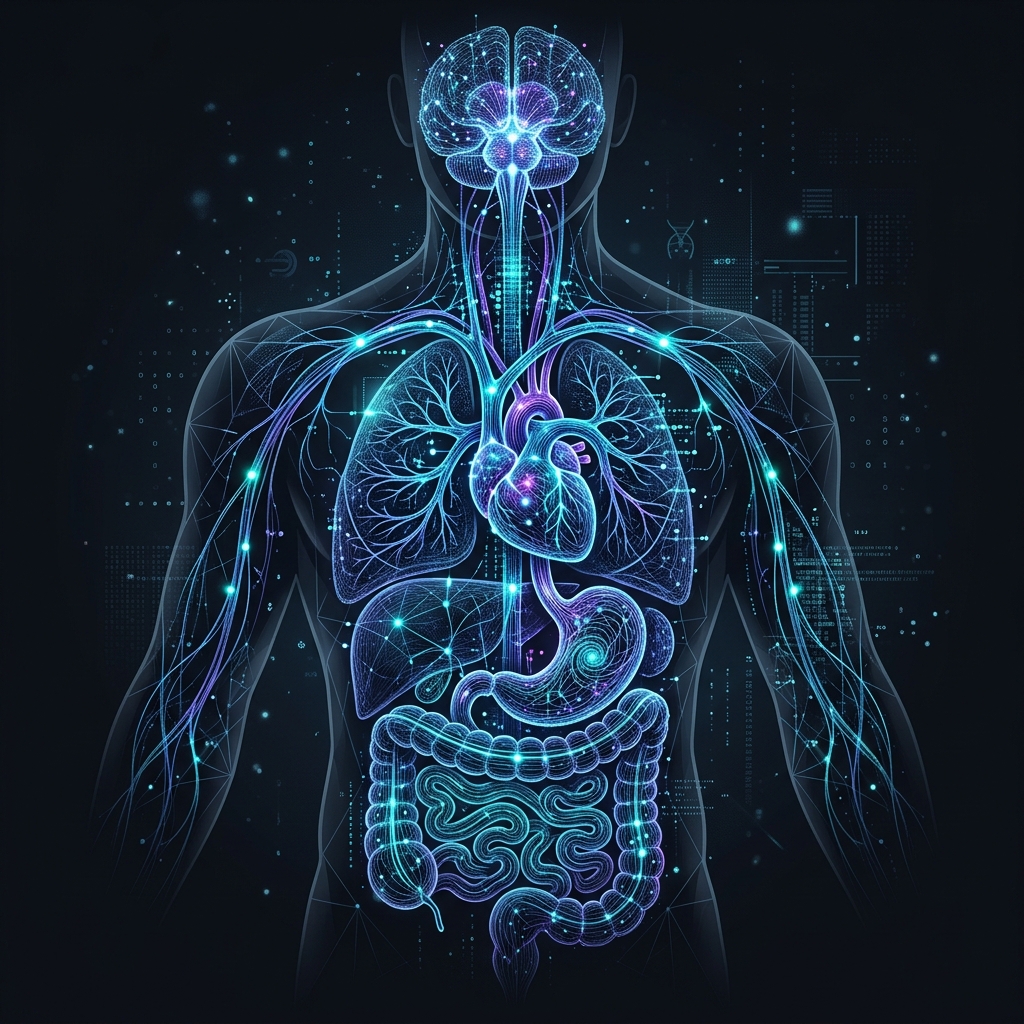
The vagus nerve operates as a bidirectional information highway between your brain and your body. While its role in digestion and heart rate variability (HRV) is well documented, its most potent athletic application lies in immunology.
When your body incurs tissue damage or pathogen exposure, macrophages release pro-inflammatory cytokines, specifically tumor necrosis factor (TNF). In a state of chronic sympathetic dominance (fight-or-flight), this cytokine storm goes unchecked, leading to prolonged recovery times, systemic fatigue, and delayed adaptation.
The vagus nerve, however, acts as the efferent arm of the "inflammatory reflex." Upon activation, it releases acetylcholine (ACh) that binds to α7-nicotinic acetylcholine receptors (α7-nAChR) on immune cells in the spleen and other organs. This binding physically blocks the intracellular signaling pathways (like NF-κB) that drive inflammation. In brutalist terms: activating the vagus nerve flips the kill switch on systemic inflammation.
The Manual Override
You cannot wish your way into parasympathetic dominance, but you can physically force it. The vagus nerve is heavily enervated in the diaphragm. Respiratory sinus arrhythmia (RSA) dictates that inhalation suppresses vagal tone (accelerating heart rate) while exhalation stimulates it (decelerating heart rate).
By manipulating the breath—specifically, utilising a 1:2 inhalation-to-exhalation ratio (e.g., 4 seconds in, 8 seconds out) for 5 to 10 minutes post-training—you exert direct mechanical friction on the vagal afferents. This is not meditation; it is a mechanical intervention to upregulate cholinergic transmission and blunt TNF release.
The Protocol
- Post-Training Window: Immediately following your training session, lie supine.
- Mechanical Intervention: Inhale through the nose for 4 seconds, focusing on diaphragmatic expansion.
- Vagal Stimulation: Exhale through pursed lips for 8 seconds.
- Duration: Perform for a minimum of 5 minutes to ensure sufficient acetylcholine accumulation at the receptor sites.
Stop leaving your recovery to chance. Master the neural hardware that dictates your immune response.